Top Framingham Locksmiths Service Team
Local locksmith team
Aug 27, 2026 12 min read
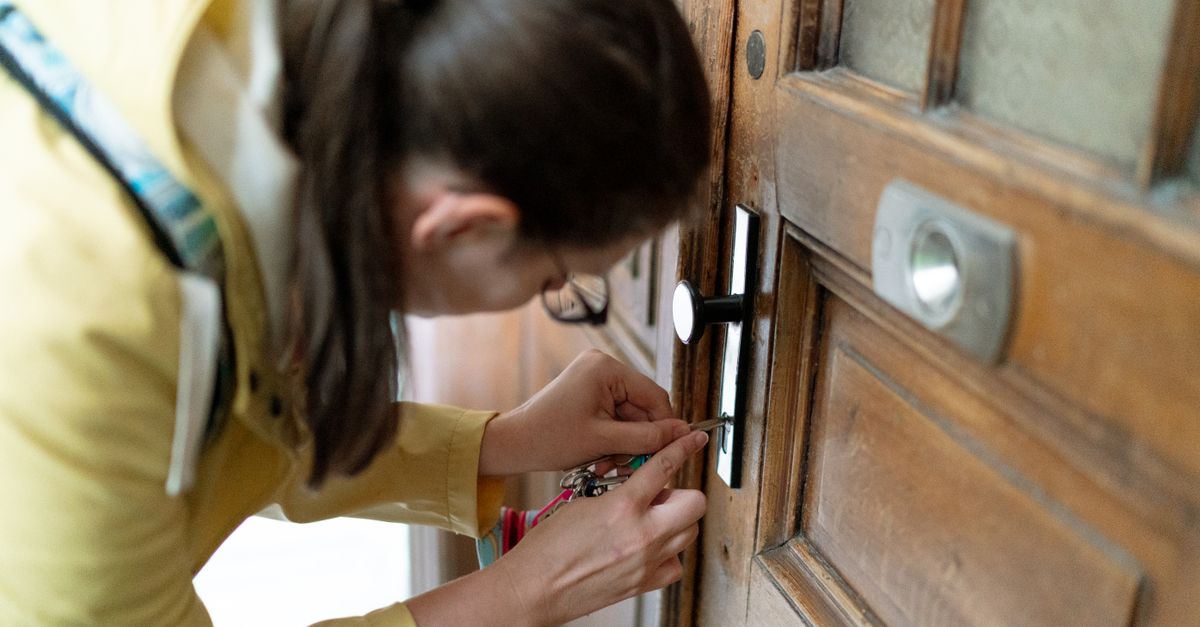
Picture this: you're standing in your driveway off Waverly Street on a cold Framingham evening, key turning but the cylinder not budging — or maybe the lock knob just feels wrong, grinds, and suddenly stops moving altogether. A jammed or stuck lock cylinder is one of those problems that tempts people to force it, and that's almost always when a fixable nuisance turns into a costly door replacement. The good news is that there are a few safe, sensible steps a homeowner or driver can take before reaching for a screwdriver — and clear signals that tell you it's time to put the tools down and call a professional instead.
This guide walks you through exactly that: what you can safely check and attempt on your own when a lock cylinder feels stuck or is difficult to remove, the point at which DIY stops being smart, and how a skilled locksmith handles the job the right way — whether you're dealing with a classic door knob lock, a heavy-duty mortise lock on an older Framingham home or commercial property, or a vehicle lockout on Route 9. No guesswork, no damage, no regrets.
## What Does a Locksmith Do — and Why It Matters Before You Touch Anything
A trained locksmith does a lot more than open locked doors. The full scope covers lock installation, lock cylinder removal and replacement, rekeying, mortise lock service, car lockouts, key cutting, high-security upgrades, and commercial-grade hardware work. Understanding that range matters here because 'popping a lock out' — meaning removing a stuck or jammed lock cylinder from a door or deadbolt — is a precise mechanical task, not a brute-force one. The cylinder fits inside a housing with specific retention clips, set screws, or cam mechanisms depending on the lock type. Forcing it without knowing which retention method your lock uses is how you crack a door frame, strip a set screw, or permanently damage a mortise lock body that could have been saved with the right tool and two minutes of know-how.
Before you attempt anything, identify what kind of lock you're dealing with. A standard door knob lock has the cylinder integrated into the knob itself, held by a small retaining clip or screw visible from the inside rose plate. A deadbolt cylinder is typically secured by a single Phillips or hex set screw accessible from the interior. A mortise lock — the rectangular pocket-style lock common in older New England homes, historic Framingham triple-deckers, and commercial storefronts — uses a different system entirely: the cylinder is held by a small retaining screw on the edge of the door, and the mortise lock body sits in a deep pocket routed into the door edge. Knowing the type tells you what to look for and, critically, what not to pry.
## How Do I Pop a Lock Out Safely — Step-by-Step for Homeowners
Step one: rule out the simple causes before touching the hardware. Try your spare key — a worn primary key can bind a cylinder without the cylinder itself being faulty. Apply a small amount of dry graphite lubricant (not WD-40, which attracts debris over time) into the keyway and work the key gently. If the cylinder turns but the latch or bolt won't retract, the problem may be a misaligned strike plate or a swollen door, not the cylinder at all. Check the door gap at the frame — a door that has sagged or swelled from humidity often mimics a failed lock. If the door is binding against the frame, the cylinder is probably fine and the fix is a hinge adjustment or a strike plate repositioning, not cylinder removal.
If you've confirmed the cylinder itself needs to come out — it's spinning freely without operating the lock, it's visibly cracked, or a key has broken off inside it — here is how to approach it without wrecking the door. For a knob-style lock: look for the small slot or pinhole on the neck of the knob (interior side). Insert a flathead screwdriver or the thin removal tool that came with the lock, depress the tab, and pull the knob straight off. From there, the rose cover pops off to reveal the screws holding the lock mechanism. Remove those screws and the cylinder slides out. For a deadbolt: locate the set screw on the interior cylinder face (often hidden under the turn piece), back it out with the correct hex key, and the exterior cylinder can be withdrawn. For a mortise lock: find the small retaining screw on the door edge directly behind the cylinder, back it out one or two turns, then use the key to turn the cylinder about 15 to 20 degrees to the cam-release position — the cylinder pulls straight out from there. If at any point a component feels seized, corroded, or refuses to move without real force, stop. Forcing a mortise lock body that is corroded or has a broken cam inside can collapse the internal works and require a full mortise lock replacement rather than a simple cylinder swap.
## When to Stop and Call an Emergency Locksmith — Recognizing the Limit
There is a clear line between productive DIY and damage that costs more to fix than a service call would have. Stop what you are doing and call an experienced emergency locksmith if any of the following are true: the cylinder is spinning 360 degrees freely (the cam or tailpiece is broken, and removing it without the right tools risks pushing fragments deeper into the lock body); a key is broken off inside the cylinder and you cannot see it protruding enough to grip cleanly with needle-nose pliers; the set screw is stripped and will not back out; the door is a fire-rated commercial door where the mortise lock hardware is part of the door's life-safety rating; or the lock is a high-security cylinder with anti-drill, anti-pick, or anti-extract features that require specialized equipment to remove without destroying. Attempting to drill or pry these cylinders damages the door and, in some commercial situations, voids the door's fire certification.
If you are locked out entirely — meaning you cannot get inside at all — the calculus changes. Do not attempt to pick a lock door knob, force a window, or try any bypass method. What you should do instead: check every entry point methodically (back door, garage door, basement window you may have left unlocked), call anyone who holds a spare key, and if none of those options work, call a professional. An experienced locksmith can open your door through legitimate, non-destructive means appropriate to your specific lock type — and importantly, they will verify ownership before doing any work. In Framingham, if you're ever uncertain about what to do if locked out of your house in the middle of the night, know that our team is available around the clock. Call (508) 905-4891 and we'll have someone en route to your address quickly.
## Mortise Lock, Door Knob Lock, and Beyond — Services We Handle in the Framingham Area
Our field work covers the full range of residential, commercial, and automotive lock needs across Framingham and surrounding MetroWest communities. On the residential side, that includes mortise lock cylinder removal and replacement, door knob lock re-keying and replacement, deadbolt installation, sliding door lock repair, mailbox and cabinet locks, and high-security lock upgrades (Schlage, Kwikset, and comparable hardware). We also handle what to do if you get locked out of your house — arriving on-site, verifying you are the rightful occupant, and opening the door without damage when possible. On the commercial side, our commercial locksmith capabilities include mortise lock overhauls for office and retail storefronts, panic bar and exit device installation, master key system setup, access control integration, and after-hours lockout response for business owners. For vehicles, we cover car lockouts, transponder key programming, ignition cylinder issues, and broken key extraction across most domestic and foreign makes.
We also handle rekeying across all of these categories. If you've recently moved into a home near Framingham Centre or a commercial space on Concord Street and you want to know how to change a lock — or more precisely, whether to change it entirely or simply rekey it — here's the honest answer: rekeying (reconfiguring the cylinder's internal pin stack to work with a new key) is almost always less involved and less expensive in parts than a full lock change, provided the lock body itself is in good condition. How to rekey a lock is a question we get constantly, and the answer depends on the lock brand and cylinder type. For most Kwikset and Schlage residential locks, rekeying is a fast, clean process. For a worn-out mortise lock on an older property, a full cylinder replacement may be the smarter long-term call. Our team will give you an honest assessment on-site — no upselling, no unnecessary work.
Here is a full picture of the specific services our team provides: mortise lock cylinder removal and replacement, door knob lock installation and repair, deadbolt installation, deadbolt rekeying, residential lockout response, commercial lockout response, car and truck lockout service, broken key extraction (door and ignition), transponder key cutting and programming, ignition cylinder repair, high-security lock upgrades, master key system design and implementation, panic bar and exit device installation, access control system installation, sliding door and patio lock repair, mailbox lock replacement, cabinet and file cabinet lock service, padlock cutting and replacement, safe opening and combination changes, window lock installation, garage door lock service, lock hardware consultation and grade recommendations, door frame and strike plate reinforcement, rekeying after a move or tenant change, and 24-hour emergency locksmith response for residential, commercial, and automotive situations.
## Can a Locksmith Open Any Lock — and What to Expect When We Arrive
A question we hear often: 'Can a locksmith open any lock?' The honest answer is: a skilled locksmith can open the vast majority of residential and commercial locks without destructive entry — but not every lock, and not always without any marking. High-security locks with anti-pick and anti-drill protections (which is the point of those features) may require drilling as a last resort, meaning the cylinder is destroyed in the process and must be replaced. A quality locksmith will always tell you upfront which method they intend to use and whether the cylinder will survive the process. No professional should ever just start drilling without explaining why and getting your go-ahead first.
When our team arrives at your door in Framingham — whether you called because you figured out how to change a lock and got stuck midway, or you're dealing with a fully jammed mortise lock that won't let you in, or you simply need to know what to do if locked out of your house at 2 a.m. — here's what the visit looks like: we confirm your identity and ownership of the property, assess the lock, explain the approach and the factors that will determine the final price (lock type and complexity, time of call, travel distance, and whether parts like a new cylinder are needed), and give you an exact confirmed price before we start. You decide whether to proceed. We carry a wide range of cylinder stock in our mobile units so that in most cases the job is resolved in a single visit — no waiting for a part to be ordered. When the work is done, we walk you through what we did and what, if anything, you should watch for going forward. That's the full picture — no surprises on your end.
Frequently asked questions
How do I pop a lock out without damaging the door?+
The key is identifying your lock type before touching anything. A door knob lock releases by depressing a retaining tab on the interior knob neck. A deadbolt cylinder is held by a set screw on the interior face. A mortise lock cylinder is secured by a small retaining screw on the door edge — back it out slightly, turn the cylinder to the release position with the key, and pull it straight out. In every case, if anything resists with more than light pressure, stop. Forcing a seized or corroded cylinder is how a simple repair becomes a full door-hardware replacement. If you hit resistance, a trained locksmith can remove it cleanly without door damage in most cases.
What should I do if I get locked out of my house in Framingham?+
First, work through the logical checklist: check every other entry point (back door, garage, basement), call anyone with a spare key, and check whether any windows are unlocked (ground-floor only, and only if you can reach them safely without a ladder). If none of those options work, call a professional locksmith — do not attempt to pick the lock or force a window, which risks injury and property damage. Our team operates 24 hours a day, seven days a week across Framingham and surrounding MetroWest towns. Call (508) 905-4891 and we can typically be on-site quickly to get you back inside safely.
Is it better to rekey a lock or replace it entirely?+
Rekeying is the right call when the lock hardware itself is in good working condition — the cylinder is not worn, cracked, or corroded, and the lock body operates smoothly. Rekeying reconfigures the internal pin stack so your old keys no longer work and a new key does, which is ideal after a move, a break-in attempt, or a key going missing. A full lock change or cylinder replacement makes more sense when the hardware is damaged, outdated, or a lower security grade than you need. For a mortise lock on an older Framingham home or commercial property, we'll inspect the condition of the full lock body and give you a straightforward recommendation either way.
What factors affect the price of a locksmith visit?+
Several variables go into the final cost of any locksmith call: the type and complexity of the lock (a standard door knob lock differs significantly from a commercial mortise lock or a high-security deadbolt), the time of day and day of the week, the travel distance to your location, and whether new parts — such as a replacement cylinder, a new lock body, or a cut key — are needed. Our team confirms an exact up-front price before any work begins so you know precisely what you are agreeing to. There are no surprise charges added after the job.